When the Artemis II capsule hit the Pacific and the parachutes fully deployed overhead, the world exhaled.
After ten days around the Moon, the crew returned to Earth at nearly 25,000 miles per hour. In those final minutes, everything depended on a few critical systems performing exactly as designed. The heat shield held. The parachutes deployed. The crew came home safely.
It was a moment of relief, pride, and perspective—all at once.
For those of us who have lived this life, we understand what it takes to reach that moment. Watching that crew—friends and colleagues I know well—complete the mission was something I will never forget.
Artemis II was not just a success. It was a signal of what comes next.
From Apollo to Artemis: Why This Time Is Different
Apollo proved we could reach the Moon. It was bold, fast, and historic.
Artemis builds on that legacy, but with a fundamentally different objective.
This time, we are not going back simply to visit. The goal is to stay. We are building a sustained presence, learning to operate farther from Earth than ever before, and preparing for missions to Mars.
Everything we have done over the past several decades has led to this point. The Space Shuttle and the International Space Station taught us how to live and work in space. They showed us how to collaborate across nations and how to solve problems in an environment that is constantly working against you.
Artemis takes those lessons and carries them into deep space.
The Reality of the Risk
From the outside, spaceflight can appear smooth. It is not.
At critical moments, everything depends on a small number of systems working exactly as designed. There are no shortcuts. No workarounds. Success is the result of preparation, discipline, and trust—across an entire team.
The success of Artemis II reflects that preparation. Thousands of engineers, technicians, and flight controllers worked through every scenario they could anticipate. The crew trusted that work. And when the moment came, they executed with precision.
That mindset is one I carried from my time as a Navy SEAL into NASA. The environment may be different, but the principle is the same: prepare thoroughly, trust your team, and perform when it matters most.
What Spaceflight Actually Feels Like
People often ask what it feels like to travel in space.
What surprises most people is that you do not feel speed. For much of the mission, you are weightless, moving silently through space. Only during transitions, like launch and reentry, do you feel the physical intensity of the mission.
Your body shifts rapidly from weightlessness to several times your body weight pressing into your seat. It is a powerful reminder that spaceflight is both extraordinary and unforgiving.
And then, within hours, you are back on Earth.
I remember landing from a mission and sitting in a sandwich shop shortly afterward with my family. The contrast between what you have just experienced and the normal rhythm of life around you is striking. The world keeps moving, even after something extraordinary has taken place.
That perspective stays with you.
The People Behind the Mission
Astronauts are the visible part of any mission, but they represent a much larger effort.
Behind Artemis II stood thousands of people who made it possible—engineers, flight controllers, technicians, and support teams, each playing a critical role. And just as important are the families.
Families carry the weight of long separations and real risk. Their support makes it possible for astronauts to do their jobs. They are an essential part of every mission, even when they are not seen.
Why Artemis Matters Now
Artemis II demonstrated what is possible. The program itself is about what comes next.
This is about building the foundation for the future of human spaceflight—long-duration operations in deep space, new technologies, and stronger international partnerships.
It is also about perspective.
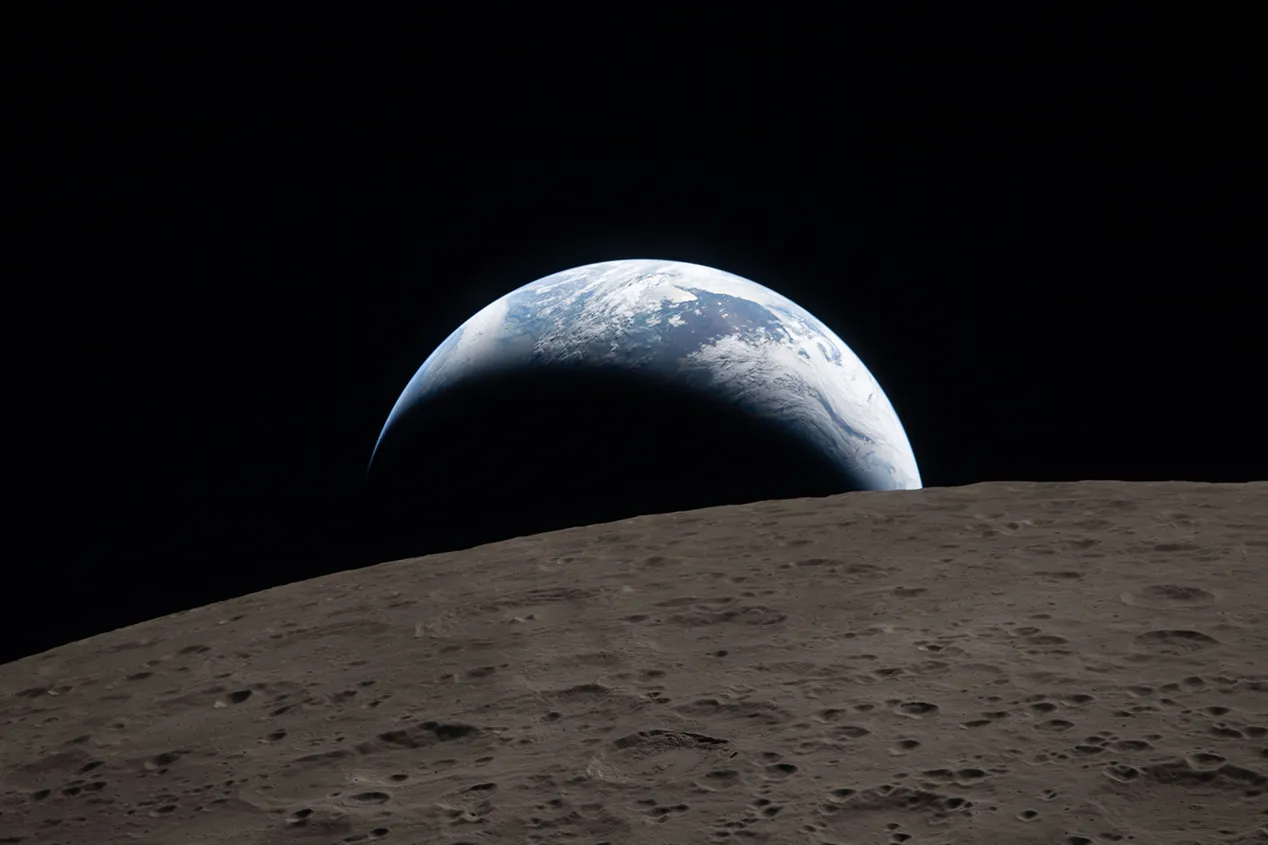
When you look back at Earth from space, you do not see borders. You see one planet. This view has a way of reshaping how you think about the challenges we face here at home.
At a time when the world can feel divided, space exploration remains one of the few efforts that consistently brings people together.
Looking Ahead
People often ask if I miss space.
The answer is yes. I would go back in a heartbeat if given the opportunity. At the same time, I have come to appreciate the opportunity to watch the next generation take the lead.
Seeing their excitement, hearing the stories they will bring back, and watching them push the boundaries even further is deeply rewarding.
That is what Artemis represents.
It is not just a successful mission—it is forward momentum.
And if we continue this path, it will shape not only the future of exploration, but also how we understand our place in the universe, and our responsibility to one another here on Earth.